Gibbons Drive Tree Plan Sent Back by Alameda Planning Board
The draft let the city remove up to 20% of the street's sweetgums every five years. The board wants changes first.
By The Alameda Pulse
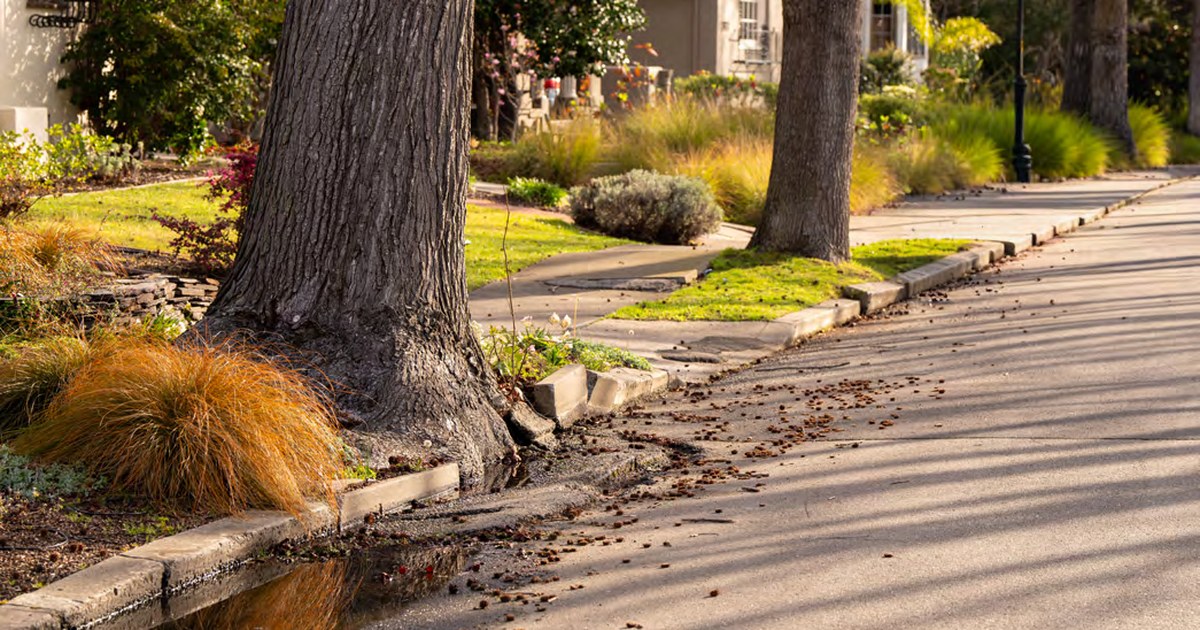
Alameda's Planning Board voted 4-0 on October 12, 2026 to send the Gibbons Drive Sidewalks and Trees Plan back to city staff for changes instead of recommending it to the City Council. The draft would have let the city remove up to 20% of the street's remaining sweetgum trees every five years.
- Where: Gibbons Drive in Alameda, CA, lined with 112 mature sweetgum trees
- Vote: 4-0 to bring the plan back with amendments; Board Member Wang, a Gibbons Drive resident, sat out
- The cap in the draft: No more than 20% of the remaining trees removed in any five-year stretch
- Who's behind it: Alameda Public Works, presented by Director Erin Smith
- What's next: A revised plan comes back to the Planning Board, with no date set
What happened to the Gibbons Drive tree plan?
The board didn't kill it, but it didn't pass it along.
Board Member Hom moved to have staff bring it back with changes that answer what the board and public said. Board Member Tsou seconded, and it passed 4-0, according to the board's draft minutes. All 17 named public speakers in those minutes spoke against the plan.
Why does the city want to remove sweetgum trees?
The roots are breaking up the sidewalks and curbs, and the city says it can't put off repairs forever.
Here's what an arborist found in 2025, per the city staff report on the Gibbons Drive plan:
- 117 sweetgums were checked. Five in poor shape were taken out.
- Of the 112 left, 88 are in good condition and 24 are fair.
- 45 spots had badly damaged sidewalk, and 82 had badly damaged curbs.
- The trees are 40% to 80% of the way through their natural lives.
Staff points to federal disability law: courts have generally said usable sidewalks win out over saving a tree. For now, much of Gibbons Drive gets by on asphalt patches.
What would the draft plan actually do?
It'd look at each damaged spot one at a time and try to save the tree first.
Options include shaving concrete or curving the sidewalk around roots. Removal comes only when nothing else works. Over five years, 20% of 112 trees works out to as many as 22 trees, though staff called the cap a ceiling, not a goal. Each removed tree gets replaced from six species neighbors helped pick.
The city also looked at narrowing the street with curves to give roots more room. That could help 30% to 40% of the trees but would wipe out 80% to 90% of the parking, so staff passed on it.
What happens next for Gibbons Drive?
Public Works has to rework the plan and bring it back to the Planning Board before it can go to the City Council.
There's no date yet. A citywide Urban Forest Master Plan is due at the council in early 2027. We covered the push to protect these trees earlier, and you can follow more in our Alameda community news.